NY Farm Labor Overtime Time Clock Rules
The New York Farm Laborers Fair Labor Practices Act requires overtime pay after 60 hours in a 7-day workweek and at least 24 consecutive hours of rest. Farms employing hourly workers must configure time tracking systems accordingly.
Overtime Requirement
| Rule |
Requirement |
| Overtime |
Hours over 60 in a week |
| Rest Period |
24 consecutive hours weekly |
Time clocks cannot directly “track” rest periods, but punch records can confirm that employees did not clock in for at least 24 consecutive hours.
System Configuration Options
- Weekly pay period: Set overtime to begin after 60 hours.
- Bi-weekly pay period: Requires system capable of separating weekly overtime correctly.
- Computerized systems allow automated 60-hour OT calculation.
Biometric Considerations in Agriculture
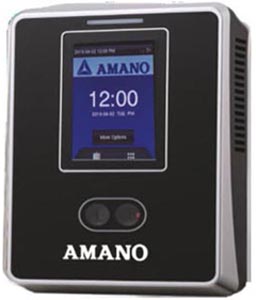
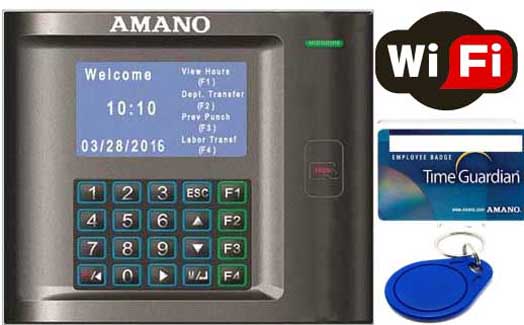
Fingerprint or vascular readers are often unreliable in agricultural environments due to dirt, moisture, callouses, and dry skin conditions. If biometric devices are used, ensure they also support RFID badges or keyfobs.
Multiple Pay Groups
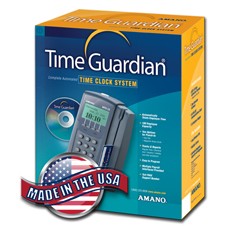
Operations with different employee categories—such as office staff (40-hour OT) and agricultural workers (60-hour OT)—require software that supports separate pay groups and overtime rules. Systems such as Amano TimeGuardian can assign different overtime thresholds within the same database.
Proper configuration ensures compliance, accurate payroll calculation, and documented labor records.
FAQ
Can a time clock be set to overtime after 60 hours?
Yes. Many self-totaling and computerized systems allow a 60-hour weekly overtime rule.
Can different employee groups have different overtime rules?
Yes. Advanced software systems can assign separate pay groups with distinct overtime thresholds.