|
|
|
|
|
|
|
|
|
|
|
|
|
|
|
|
|
|
|
|
|
|
|
|
|
|
|
|
|
|
|
|
|
|
|
|
|
|
|
Network Work Shift Timer
Our Price:
$649.00
View Product Details
Add To Cart
|
|
|
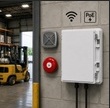
Factory or School timer. Signals bells, buzzers, and or strobe lights up to 1000 times in a 7 day window. Preset up to 500 schedules. Extremely flexible settings. Ethernet connection, wall mounted bo
|
|
|
|
|
|
|
|
|
|
|
|
Bell timers are automated signaling systems used to trigger bells, buzzers, horns, and other audible devices according to a programmed schedule. These systems are commonly used in manufacturing facilities, warehouses, schools, and other workplaces where structured shift changes, breaks, and daily routines require clear, repeatable signals.
A typical bell timer system consists of a programmable controller connected to one or more bells or buzzers. Once programmed with daily or weekly schedules, the system operates automatically without manual intervention, allowing supervisors to focus on operations rather than timing routines.
Bell timer products in this category range from basic standalone units that ring a single bell to network-ready systems capable of synchronizing multiple bells and clocks across a facility. Some solutions integrate with existing time clocks or attendance systems to align worker punch times with audible cues that signal the start and end of work periods.
Choosing the right bell timer involves considering the number of points to be signaled, the size of the facility, and whether synchronized clocks or additional reporting features are needed. Properly configured bell timers help enforce schedule discipline, reduce disruptions, and improve coordination across shifts without requiring manual oversight.